Opens a New Era of Smart Museums: Practical Application of UHF RFID Tags
Jinsha Ruins Museum utilizes UHF RFID tags for smart ticketing, visitor tracking, and personalized experiences, enhancing cultural communication and service.
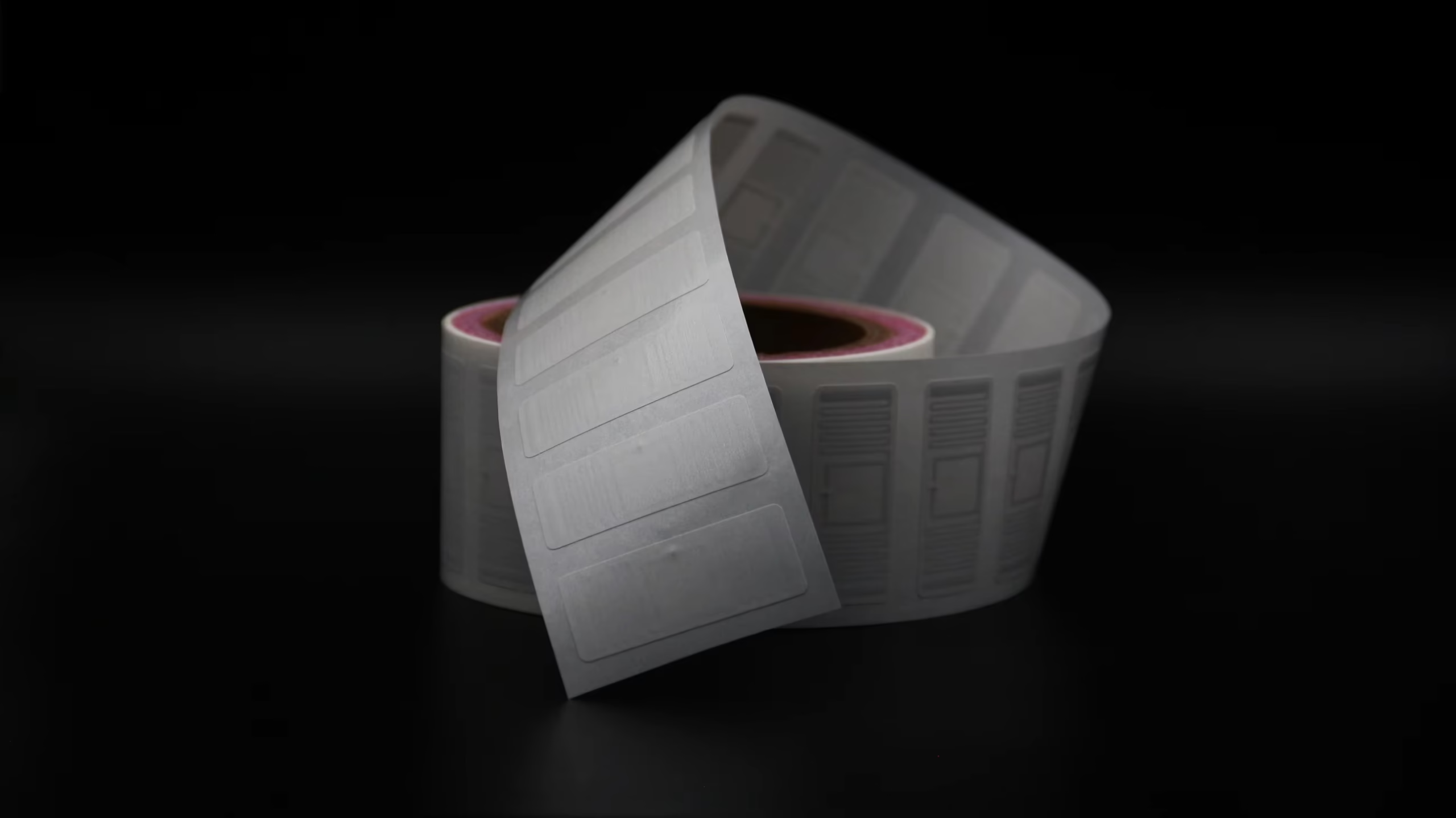
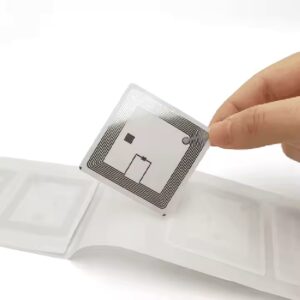
RFID-teknik, as a key core technology for the application of the Internet of Things, has been widely used in various fields. Today, in the archival management work of archives, libraries, and various units, the important role of RFID technology has gradually become prominent. In particular, the application of UHF RFID-taggar is quietly opening a “new spring” for archival management.
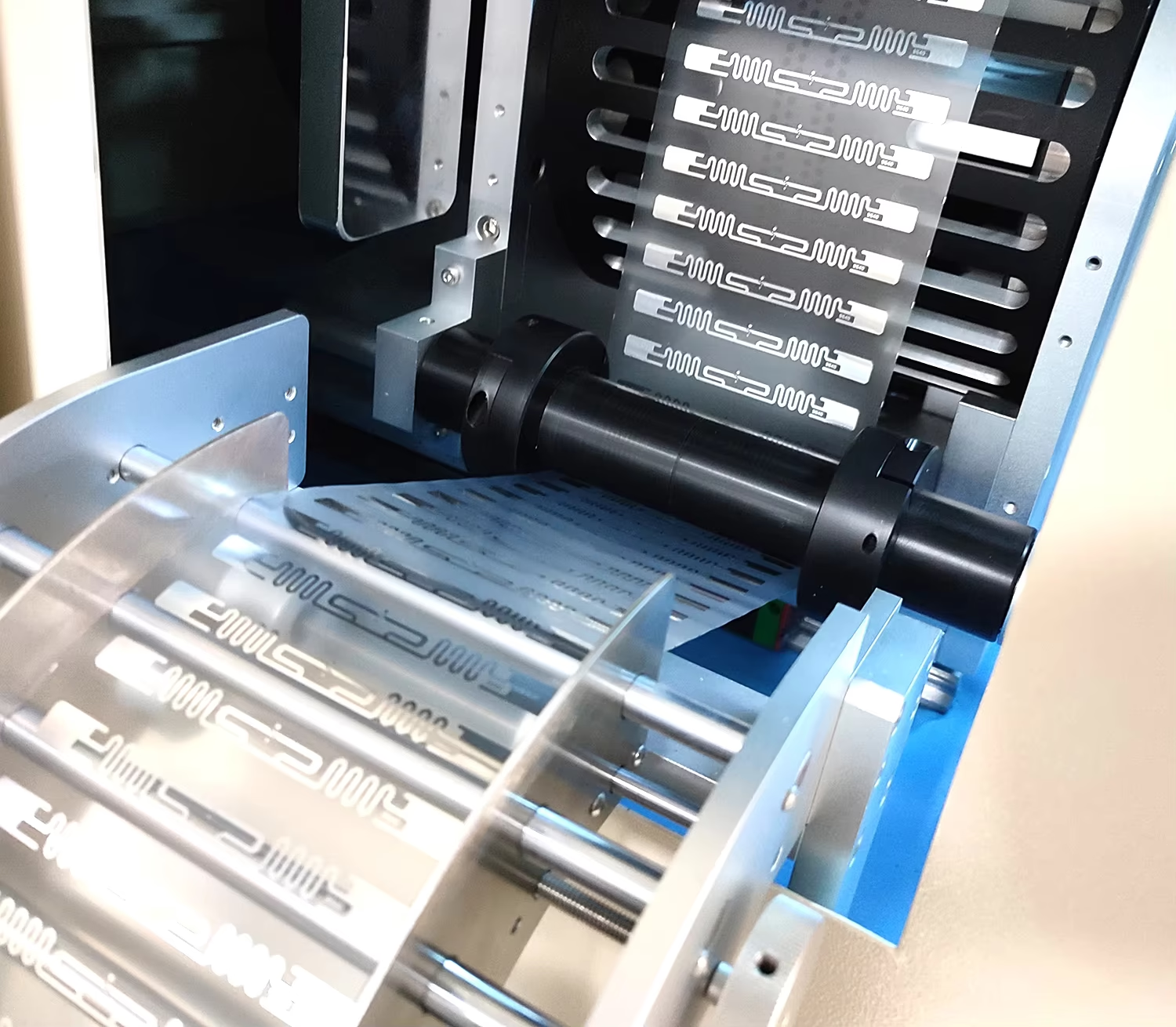
As an important information resource, how to manage archives directly determines the efficiency and security of information use, so archive management is very important. However, manual registration alone has a high error rate and is time-consuming. At this time, the emergence of UHF RFID tags has greatly improved the overall business management capabilities of archive management, reduced the error rate, simplified the management process, reduced the labor intensity of personnel, and provided a more convenient and more effective management mechanism for archive management.
The system can automatically identify archive tags without contact, making archive management work automated and intelligent, and can manage the daily storage, query, borrowing, return, anti-theft and other specific businesses of archives in real time.
Compared with traditional barcodes, UHF RFID tags have advantages such as waterproof, anti-magnetic, and high temperature resistance. They can improve the efficiency of file inventory and search, protect the safety of files, and can operate stably regardless of environmental changes.
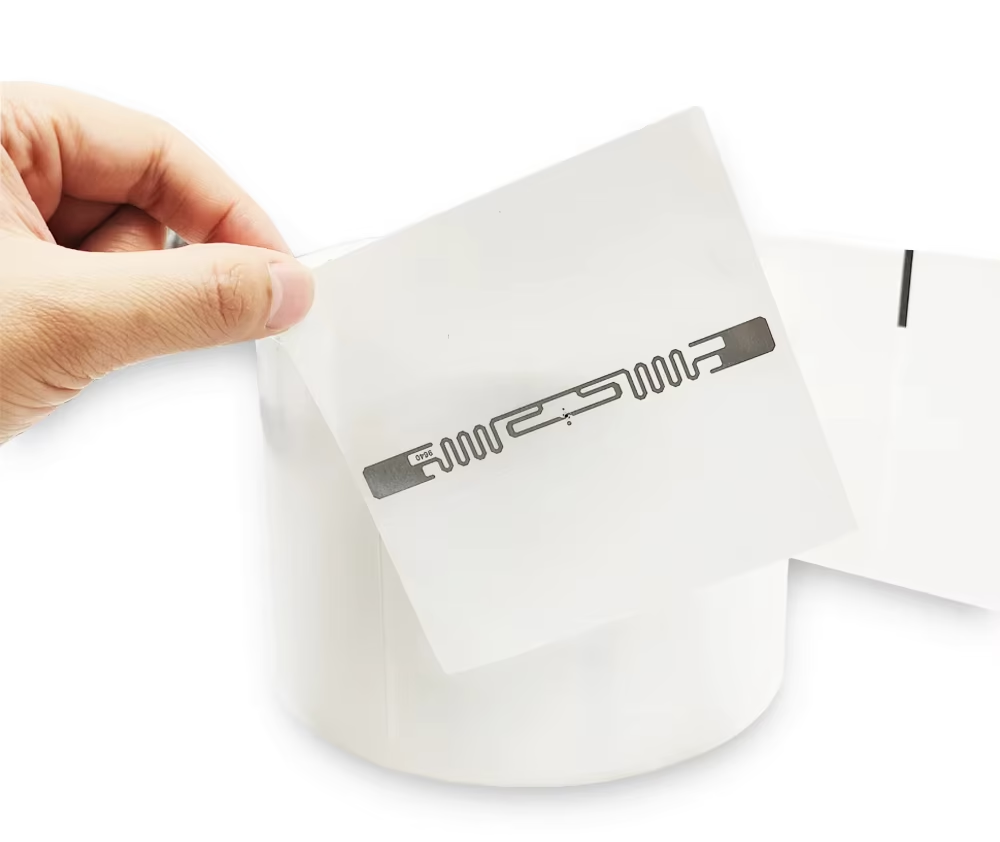
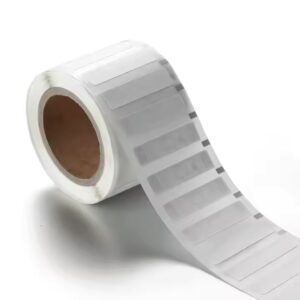
The following is a brief table of parameters for a typical UHF RFID label sticker:
| Punkt | Parameter Description |
|---|---|
| Arbetsfrekvens | 860-960MHz (compliant with ISO/IEC 18000-6C protocol) |
| Chip typ | Alien H9/H10 (supports multiple popular UHF chips) |
| Memory capacity | Up to 688-bit user area, 496-bit EPC code |
| Mått | White label: 100mm × 11mm, antenna: 95mm × 8.2mm |
| Läs avstånd | 1-6 meters (depending on the reader and label size) |
| Surface material | PET / PVC / paper and other options |
| Write times | ≥100 000 gånger |
| Working environment | -40~70℃, humidity 20%~90% RH |
| Packaging form | Roll (1000-5000 pieces/roll, 4 rolls/box) |
These labels can be directly attached to carriers such as file folders and file boxes, and the system automatically records the status and location of each file to achieve efficient full-process tracking management.
By writing information in the database into RFID tags, or importing tag information into the system database in real time, RFID technology can provide stable data support for the entire archive management system. Whether it is daily inventory, search, or borrowing and returning operations, RFID can significantly improve processing efficiency and reduce manual operation errors.
Compared with the traditional manual management method, the archive system based on UHF RFID-taggar:
Improved business processing capabilities
Reduced error rate
Achieved data sharing
Simplified management process
Reduced labor intensity
Effectively improved archive security
In the long run, this not only improves the management level of the unit, but also enhances the comprehensive strength of information resource management.

Just as spring brings new life and hope, UHF RFID-taggar have also injected unprecedented vitality and efficiency into archive management. It makes the originally boring and tedious work intelligent and efficient, and also reduces a lot of burdens for archive staff.
In this era of information explosion, archive management is no longer a “paper pile battle”, but a tacit cooperation between intelligent systems. Behind this is the silent support of RFID technology.
If you are still worried about file confusion, difficulty in finding, and inefficient management, you might as well try UHF RFID-taggar to give your management work a “new spring” atmosphere!
👉 Want to know more about UHF RFID-taggar for archives? Welcome to contact us for samples and technical support!


De senaste trenderna och allmän kunskap inom RFID tvättetiketter.
Jinsha Ruins Museum utilizes UHF RFID tags for smart ticketing, visitor tracking, and personalized experiences, enhancing cultural communication and service.

RFID Card protocol defines rules and standards for communication between RFID cards and readers, covering common ISO10536, ISO14443, ISO15693 and ISO18000.
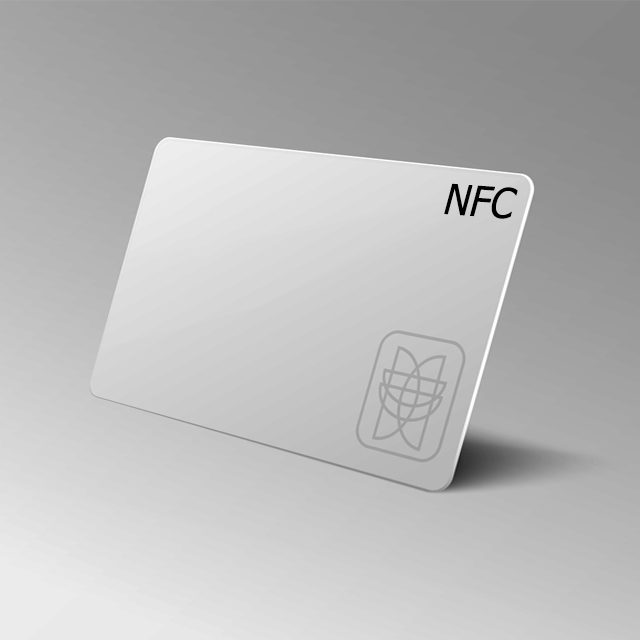
NTAG213, NTAG215, and NTAG216 cards are NFC cards with varying memory sizes and scan endurance, ideal for different applications in contactless technology.
Hittade du inte det du söker? Fråga vår chef om hjälp!