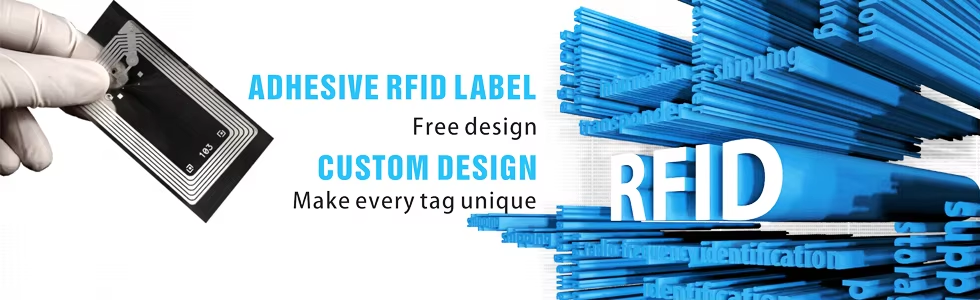
What is Radio Frequency Identification Technology?
Radio Frequency Identification (RFID) uses radio waves for non-contact data exchange between readers and tags. It enables fast and durable bulk recognition without the need for contact.
In our daily life, whether it is swiping a bus, entering or leaving a community, or making a payment, a small card often plays the role of a “pass”. And today we are going to talk about the smarter and more powerful Dual Chip RFID Card.
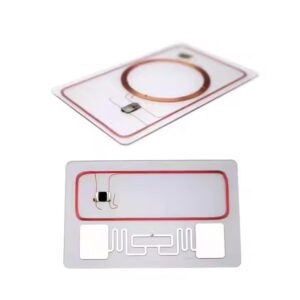
Dual Chip RFID Card, also known as Combination Card or Dual Port Card, is a smart card that combines contact and contactless communication methods into one. Simply put, it can be inserted into a device like a bank card, or it can be “swiped” like a bus card to complete the operation.
It combines the convenience of contactless IC cards and the security of contact IC cards, making Dual Chip RFID Cards very suitable for a variety of scenarios, such as:
Toplu taşıma
Highway tolls
E-wallet
Financial services
E-commerce
This type of card is gradually becoming the new favorite in the IC card market, representing the development direction of smart cards.
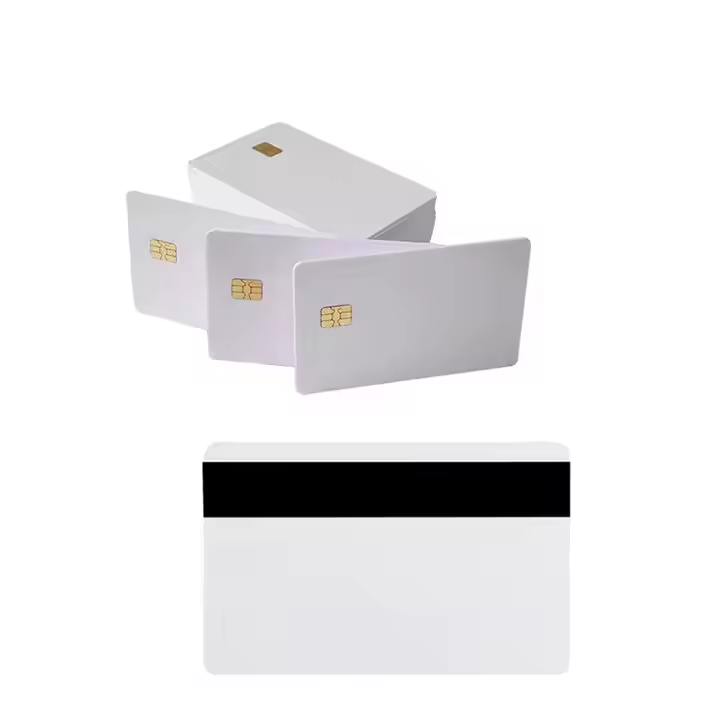
| Tip | System Relationship | Storage Method | Özellikler |
|---|---|---|---|
| Type 1 | Two systems are independent | Each has its own EEPROM | Simple functions, no interference with each other |
| Type 2 | Systems operate independently | Share partial memory | Low cost, information can be shared |
| Type 3 | Systems fully integrated | Share one CPU | True dual-interface CPU card, highest security |
Among them, Type 3 is the most advanced and secure Dual Chip RFID Card on the current market.
To better understand the power of this type of card, let’s take a look at some of its core technical indicators:
Çip türü: CMOS EEPROM technology
Available storage space: 32K bytes (or more)
Communication interface:
Contact: ISO 7816, supports 9600bps~57600bps
Contactless: ISO 14443 TypeA, supports 106Kbps~414Kbps
Data retention time: ≥10 years
Zamanları sil ve yaz: ≥100,000 times
Supported encryption algorithm: 1024bit~2048bit RSA
Voltage range: 2.7V ~ 5.5V
Çalışma sıcaklığı: -25℃~+50℃
ESD protection capability: ≥4KV
These parameters allow the Dual Chip RFID Card to operate stably in various complex environments.
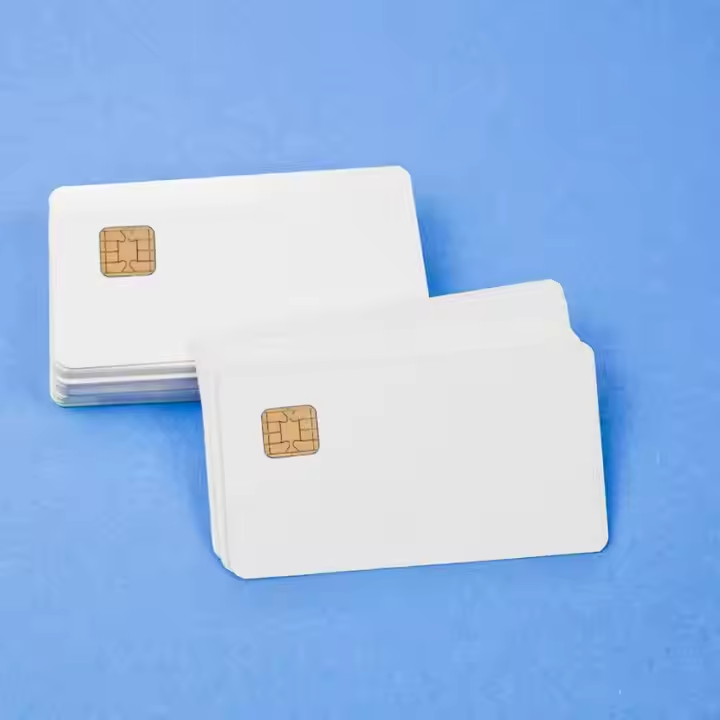
| Öğe | Tanım |
|---|---|
| Malzeme | PVC / PET / ABS / PET-G |
| Boyut | Standard credit card size 85.5×54mm, thickness 0.76~0.86mm |
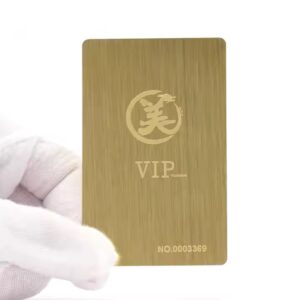
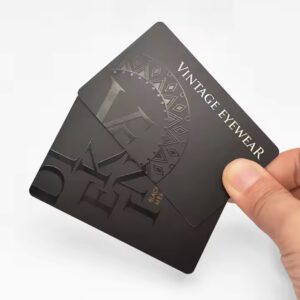
| Surface treatment | Glossy / Matte / Frosted / Mirror / Brushed |
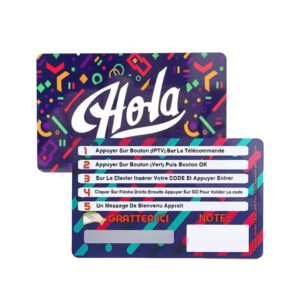
| Printing method | CMYK four-color printing / silk screen / UV printing / digital printing |
| Optional processes | Barcode, QR code, magnetic stripe, signature strip, hot stamping, UID, etc. |
| RFID frequency | LF: 125KHz / HF: 13.56MHz / UHF: 860–960MHz |
| Compatible chips | EM4200, T5577, Mifare S50, NTAG213, ICODE2, Alien H3, Impinj R6P and others |
| Okuma mesafesi | 1~10cm (depending on the chip and card reader) |
In addition, the card supports color customization, printing pattern customization, and free sample testing is available.
One card for multiple uses: transportation, payment, access control, membership system, all-round adaptation.
Compatible with multiple devices: both POS machines and access control card readers can be easily handled.
High security: Supports RSA encryption algorithm, data is more secure.
Easy to use: non-contact fast card swiping, contact stable and safe.
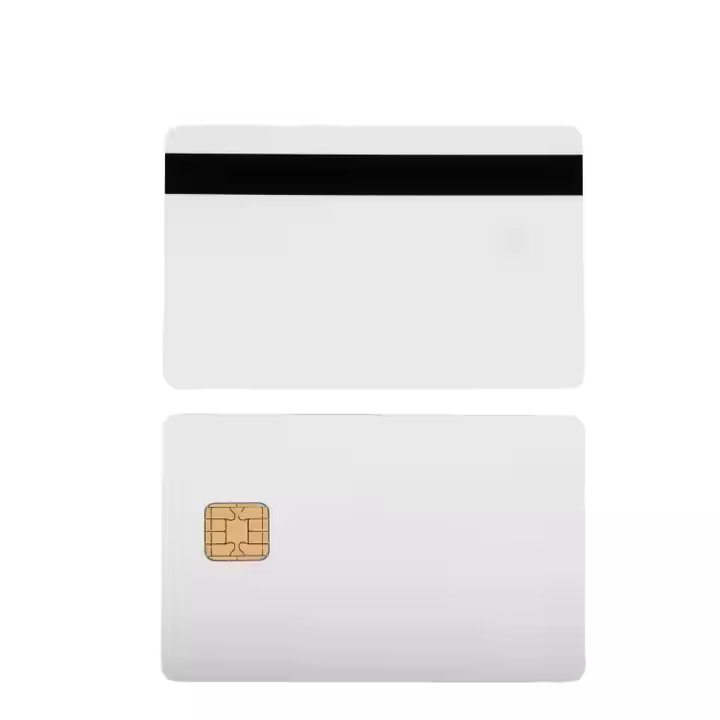
Dual Chip RFID Card is like an “all-purpose card”, which is convenient and safe and will be widely used in various industries in the future. It not only meets the high-efficiency needs in daily life, but also can cope with scenarios with high data security requirements. It is the preferred solution for modern smart cards.
Whether you are a government project leader, corporate procurement, or a decision maker for transportation system upgrades, Dual Chip RFID Cards are the next-generation smart card solution worth considering.


RFID çamaşır etiketlerinde en son trendler ve genel bilgiler.
Radio Frequency Identification (RFID) uses radio waves for non-contact data exchange between readers and tags. It enables fast and durable bulk recognition without the need for contact.

RFID Card protocol defines rules and standards for communication between RFID cards and readers, covering common ISO10536, ISO14443, ISO15693 and ISO18000.

Learn how to choose the right medical wristbands by focusing on technical adaptation, patient needs, and product quality to ensure medical safety.
Aradığınızı bulamadınız mı? Yöneticimizden yardım isteyin!