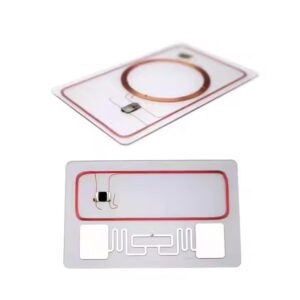
Discover the 3 Common RFID Tag Antenna Manufacturing Processes
Explore the three main manufacturing processes for RFID tag antennas: etched, printed, and coil-wound, and learn which suits your application best!
In prisons, detention centers, and other high-security facilities, inspections are key to operational safety. For example, “cell checks,” “patrols,” or “security walks” are routine daily checks to ensure the safety of prisoners, confirm whether they have violated regulations, and detect unexpected situations in advance. However, using paper and pen to record or using those old inspection systems will inevitably cause problems. Sometimes omissions, mistakes, or delays can lead to hidden dangers.
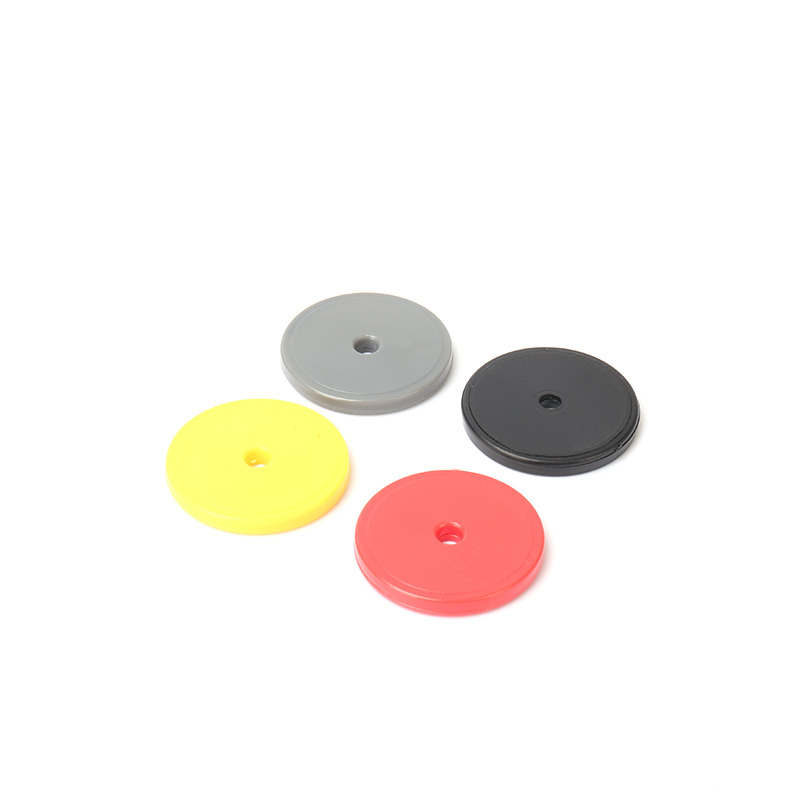
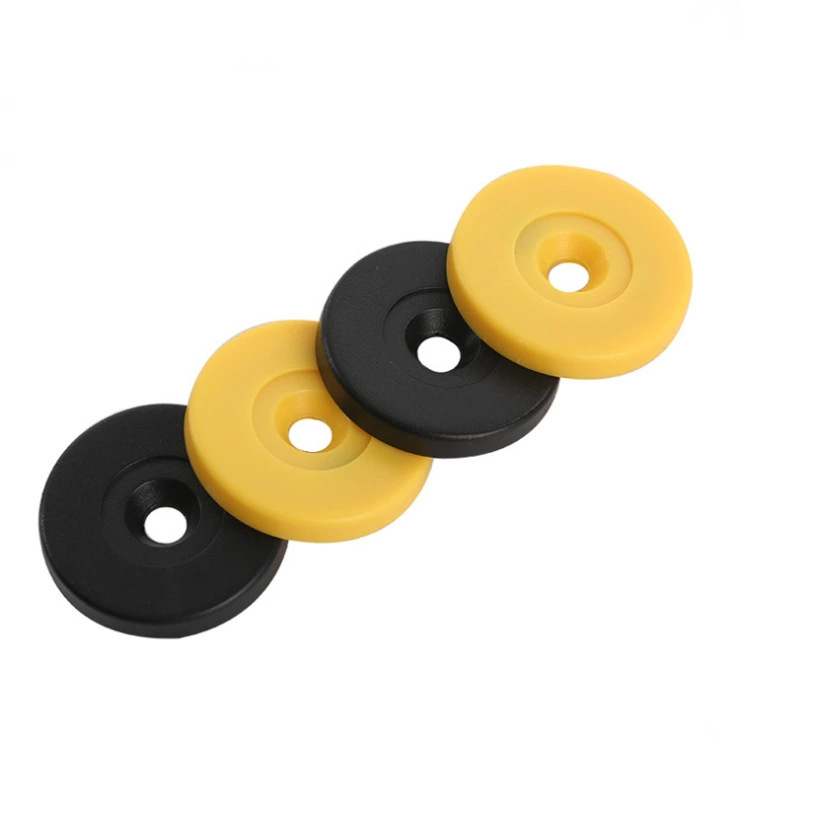
This is where F08 RFID Patrol Tokens step in. Operating at 13,56 MHz, these tokens combine the precision of RFID with the security of NFC (Near Field Communication) technology to revolutionize patrol accountability. Let’s explore why patrol integrity matters, how F08 tokens eliminate fraud, and what makes them indispensable for modern facilities.
Every security round serves two critical purposes:
Traditional pen-and-paper systems fail on both fronts. Handwritten logs are prone to errors, omissions, and intentional falsification. Officers may skip checks but still “document” them, creating gaps in accountability. Even early electronic systems, like wand-based scanners from the 1990s, lack real-time oversight and are easily manipulated.
The consequences? Inmates in distress might go unnoticed. Maintenance issues or contraband could escalate into crises. Worst of all, lawsuits alleging negligence become indefensible when logs don’t match security footage.
F08 RFID Patrol Tokens address these vulnerabilities through encrypted, proximity-based data capture. Here’s the process:
Key technical advantages of the F08 model:
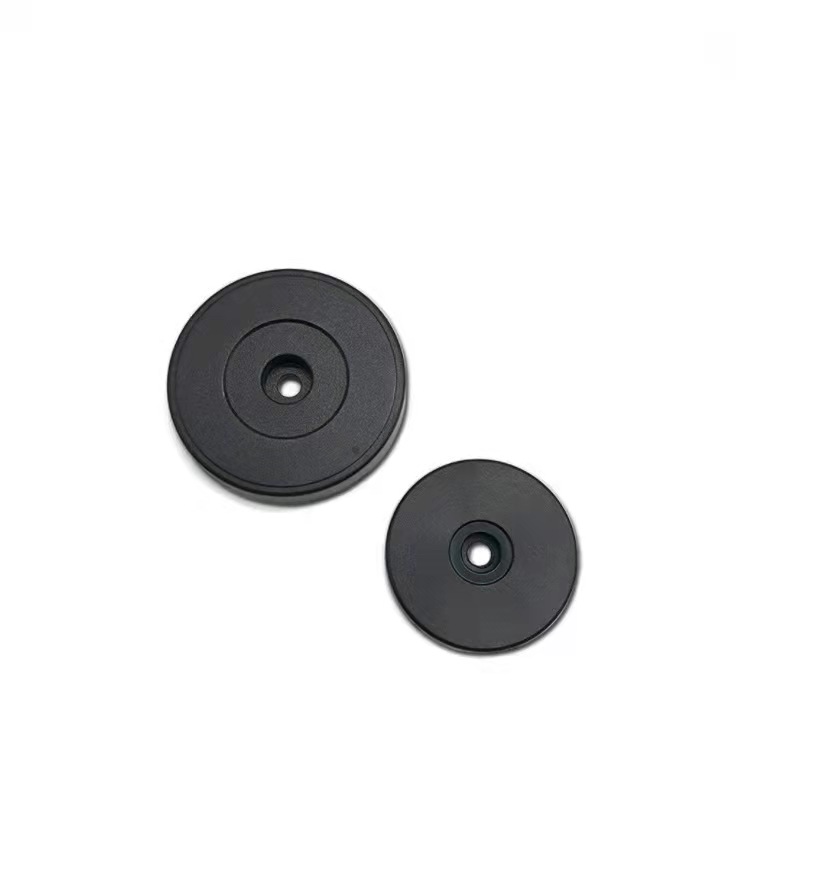
QR codes are a common but risky alternative. A photo of a QR code can be scanned remotely, enabling fake patrol entries. In contrast, F08 RFID Patrol Tokens offer unmatched reliability:
| Özellik | F08 RFID Patrol Tokens | QR Kodları |
|---|---|---|
| Scan Integrity | Requires physical proximity (0.1–10 cm) | Scannable from any distance |
| Güvenlik | Encrypted data, anti-tamper logs | No encryption, easily copied |
| Dayanıklılık | Waterproof, anti-vandalism design | Prone to damage and fading |
| Uyumluluk | Automated, audit-ready records | Manual entries prone to errors |
QR codes may save upfront costs, but they fail in high-stakes environments. The F08 tokens’ design ensures officers cannot bypass scans, while encrypted logs protect against litigation.
One common myth is that upgrading to RFID requires lengthy downtime. In reality:
Beyond compliance, RFID systems deliver measurable returns:
A Midwest detention center reported a 40% drop in incident reports after switching to RFID tokens, citing improved inmate monitoring and staff transparency.
Transitioning to F08 RFID Patrol Tokens is faster than many assume:
The F08 RFID Patrol Tokens aren’t just tools—they’re a paradigm shift in accountability. By leveraging 13.56 MHz NFC technology, facilities eliminate patrol fraud while streamlining compliance.
Still using paper records or QR codes? Consider using RFID technology! This small change will greatly improve the security of your system. Experienced manufacturers, such as us, China’s top 5 RFID tokens factory, can perfectly understand your needs and customize a system that is exactly what you imagined.
After all, when it comes to security, others can’t trust you, and you have to win trust by being traceable and verifiable. Use F08 RFID Patrol Tokens, which are simple and reliable, so try it now!


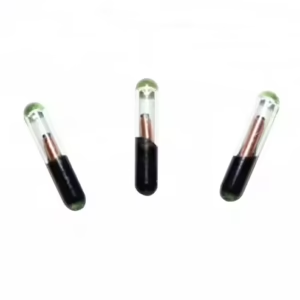
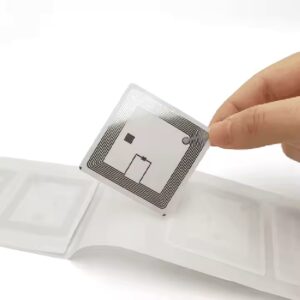
RFID çamaşır etiketlerinde en son trendler ve genel bilgiler.
Explore the three main manufacturing processes for RFID tag antennas: etched, printed, and coil-wound, and learn which suits your application best!
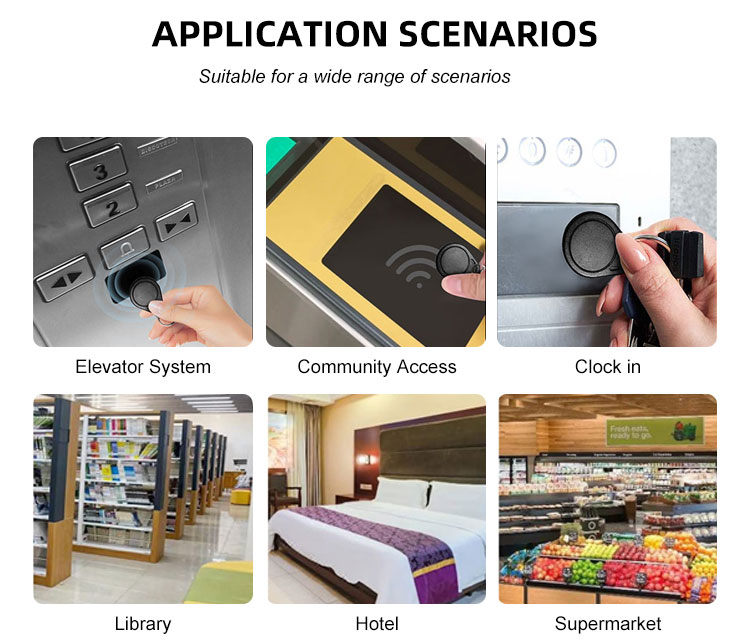
RFID keychains enhance security by enabling keyless entry with unique identifiers, short-range communication, and customizable access control.

RFID Card protocol defines rules and standards for communication between RFID cards and readers, covering common ISO10536, ISO14443, ISO15693 and ISO18000.
Aradığınızı bulamadınız mı? Yöneticimizden yardım isteyin!