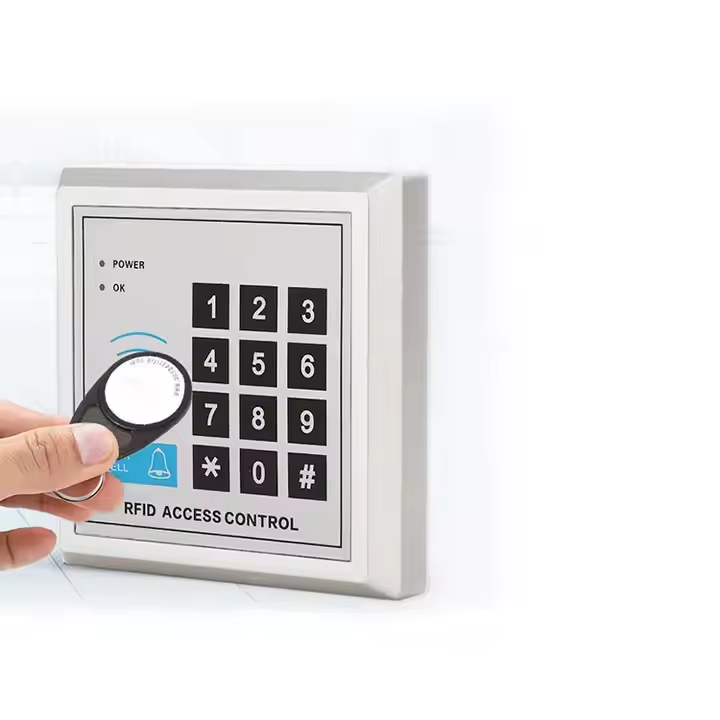
Why RFID Keyfobs Are Replacing Traditional Keys?
RFID keyfobs replace traditional keys with enhanced security, convenience, and custom designs for smarter, modern access control solutions.
Antennas play a vital role in wireless communications. RFID (Radio Frequency Identification) technology uses electromagnetic waves to transmit data, and antennas are responsible for generating and receiving radio waves. When an electronic tag enters the working area of the reader, the antenna in the tag generates enough induced current to activate the energy required.
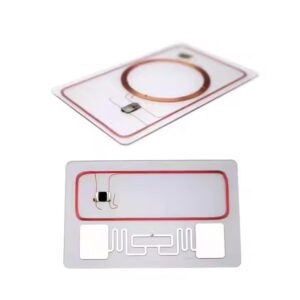
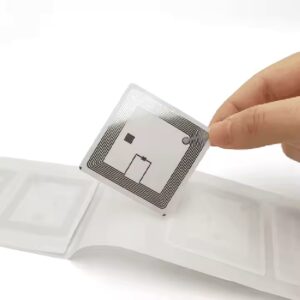
In the RFID system, the performance of the antenna has a direct impact on the overall effect. According to the material, structure and manufacturing process of the antenna, RFID tag antennas can be mainly divided into three types: etched antennas, printed antennas and wound antennas. These three processes are currently the most widely used manufacturing methods.
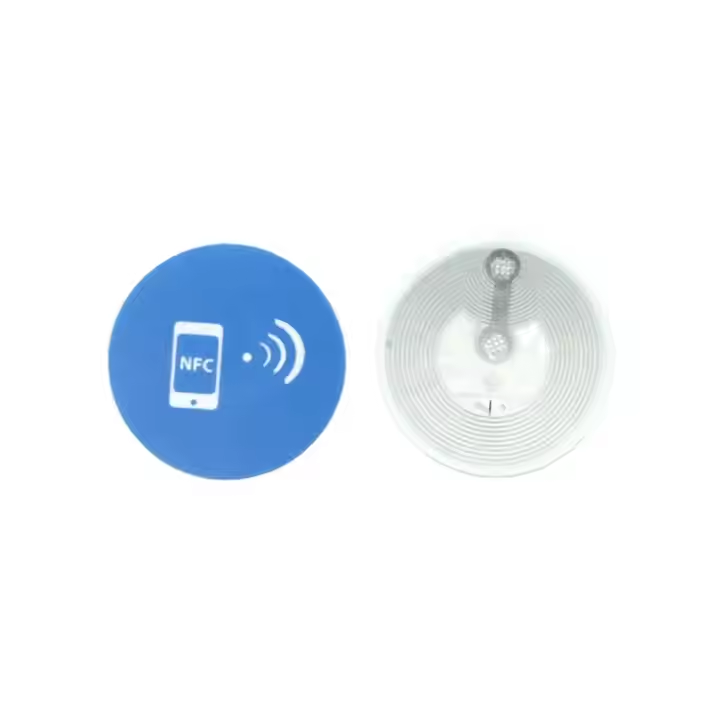
The etching method, also known as the imprint erosion method, first covers the substrate with a 20μm thick layer of copper or aluminum. Next, a corrosion-resistant agent is applied to the surface of the copper or aluminum through screen printing technology to protect the copper or aluminum from corrosion, while allowing other parts to be dissolved by the corrosive agent. Although this method is technically mature, in actual production, the chemical corrosion process takes a long time and produces a lot of wastewater, which will cause certain pollution to the environment. The industry is also actively looking for more environmentally friendly alternatives.
Printed antenna is a relatively new production method. It uses special conductive ink or silver paste to directly print the antenna circuit on the substrate. Common printing techniques include gravure printing and screen printing. Although screen printing can save costs to a certain extent, the silver content in the conductive silver paste used is as high as 70%, and the thickness of the antenna obtained is between 15 and 20μm. It belongs to the thick film printing method, and the cost is relatively high.
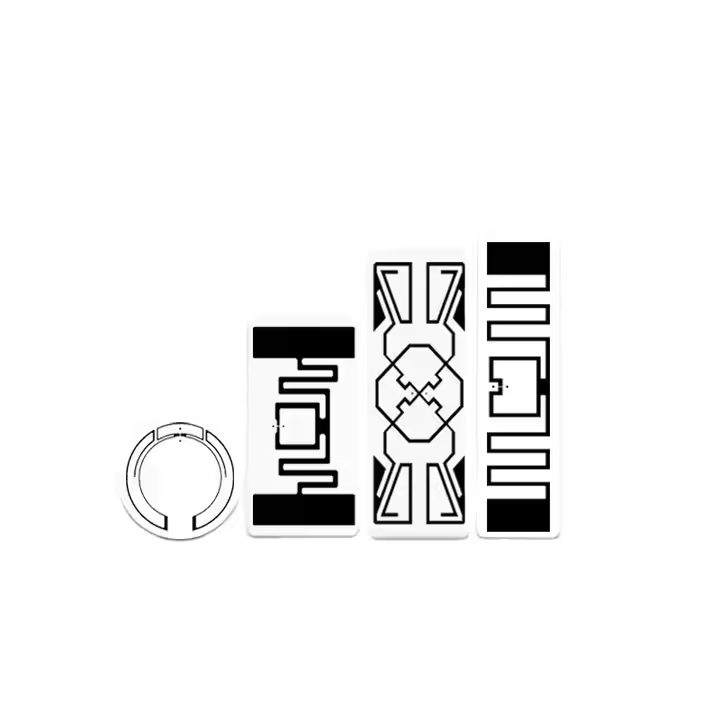
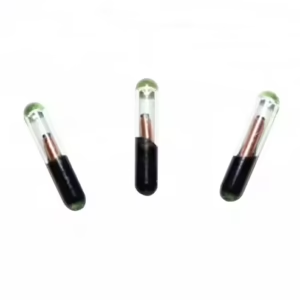
The production process of the wound antenna is mainly completed by an automatic winding machine. The process uses insulating paint to directly coat the base media film and uses copper wire with low melting point paint as the substrate of the RFID tag antenna. Then, the wire and the substrate are mechanically fixed with an adhesive, and finally, different numbers of turns are wound as needed to ensure the performance of the antenna.

In summary, etching antenna, printing antenna, and winding antenna are important foundations of Etiquetas RFID. These processes have their own characteristics and adapt to different application requirements. In the future, with the continuous development of technology, the manufacturing process of RFID antennas will be more diversified and environmentally friendly. I hope this blog can help you better understand the manufacturing process of RFID tag antennas!










Últimas tendências e conhecimento comum em etiquetas RFID para lavanderia.
RFID keyfobs replace traditional keys with enhanced security, convenience, and custom designs for smarter, modern access control solutions.

NFC menu tags are revolutionizing dining by enabling faster payments, enhancing hygiene, and personalizing experiences, making dining more efficient and engaging.

Top 5 Silicone RFID Bands: Elevate healthcare, gyms & VIP access with secure, customizable cashless solutions. Engineered for precision.
Não encontrou o que procura? Peça ajuda ao nosso gerente!