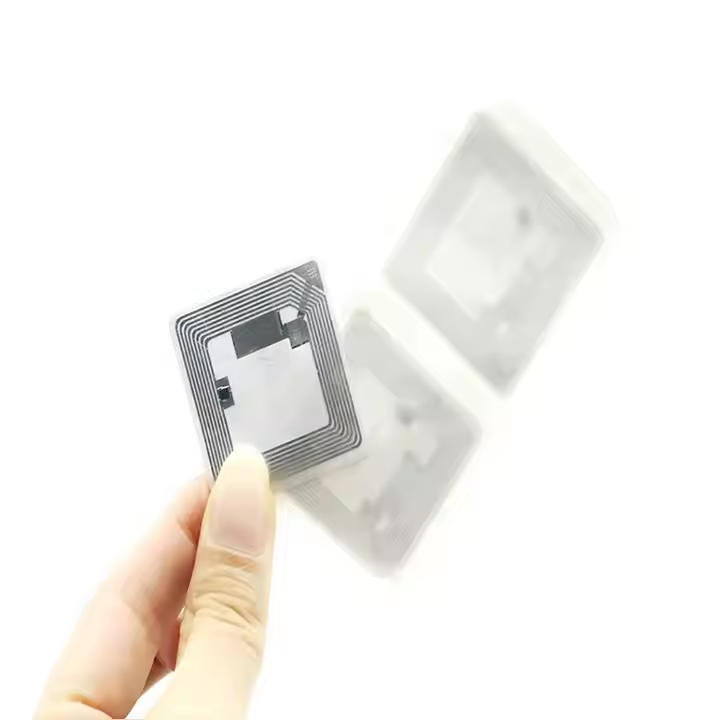
Why Should You Care About NFC Inlays?
Discover NFC inlays: the compact, secure tech revolutionizing payments, access, and smart homes. Learn why they’re essential for the future.
NFC (Near Field Communication) readers have revolutionized how we interact with technology, enabling secure, contactless data exchange in seconds. From payments to access control, these devices simplify daily tasks with a simple tap. In this guide, we’ll explain how NFC readers work, their applications, and how to use them effectively — all while highlighting why quality matters when choosing a reliable manufacturer.
An NFC reader is a device that communicates with NFC-enabled tags, cards, or smartphones. It uses electromagnetic fields to power passive tags (no battery required) and exchange data within a 4 cm range. NFC readers are widely used for:
Płatności bezstykowe (e.g., POS terminals)
Access control (e.g., door entry systems)
Data sharing (e.g., triggering Wi-Fi pairing)
Automatyzacja (e.g., launching apps or workflows)
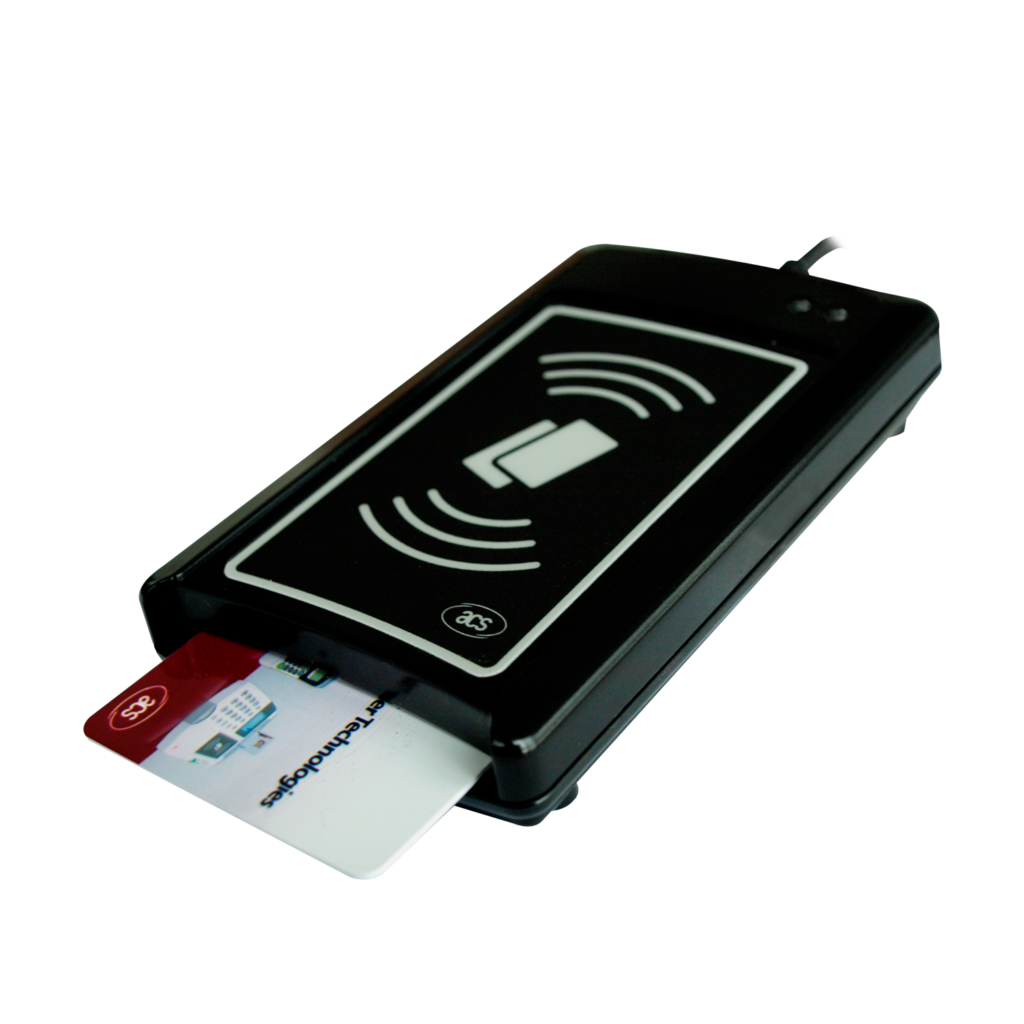
NFC systems operate in two modes:
| Tryb | How It Works | Example Use Case |
|---|---|---|
| Pasywny | Reader powers the tag via electromagnetic fields; tag sends data back. | Contactless payments (credit cards). |
| Active | Both reader and tag have batteries; tag can update data dynamically. | Tracking door entry times for security. |
Key Process:
Power Transfer: The reader generates a magnetic field to energize passive tags.
Wymiana danych: Tags modulate the field to send data, decoded into binary (0s/1s) via Manchester coding.
Action Triggered: The reader processes data (e.g., unlocks a door or processes payment).
NFC readers shine in scenarios requiring speed, security, and simplicity:
Płatności: Process transactions instantly at POS terminals.
Kontrola dostępu: Grant entry via NFC-enabled cards, fobs, or smartphones.
Smart Automation: Launch device settings (e.g., Bluetooth pairing for headphones).
E-Ticketing: Validate event tickets or transit passes.
Zarządzanie zapasami: Track assets with rewritable NFC tags.
Pros:
Convenient: Tap-to-activate beats keys or PINs.
Secure: Short range minimizes data interception risks.
Energy-Efficient: Low power consumption for passive systems.
Cons:
Ograniczony zasięg: Not ideal for long-distance use (e.g., garage gates).
Koszt: Initial setup and replacement tags/fobs add expenses.
Choose the Right Hardware:
For basic tasks (e.g., payments), use standard USB NFC readers like the ACR1281 (supports ISO 14443/ISO 7816 standards).
For advanced needs (e.g., dynamic data), opt for active NFC systems.
Set Up the Reader:
Connect via USB/Bluetooth to a computer or POS terminal.
Install compatible software (e.g., NFC Tools for tag programming).
Read/Write NFC Tags:
Reading: Tap a tag to the reader; data auto-triggers actions (e.g., open a URL).
Writing: Use apps to encode tags with URLs, contact info, or commands.
Test and Deploy:
Validate tags with multiple devices.
Integrate readers into workflows (e.g., door access logs).
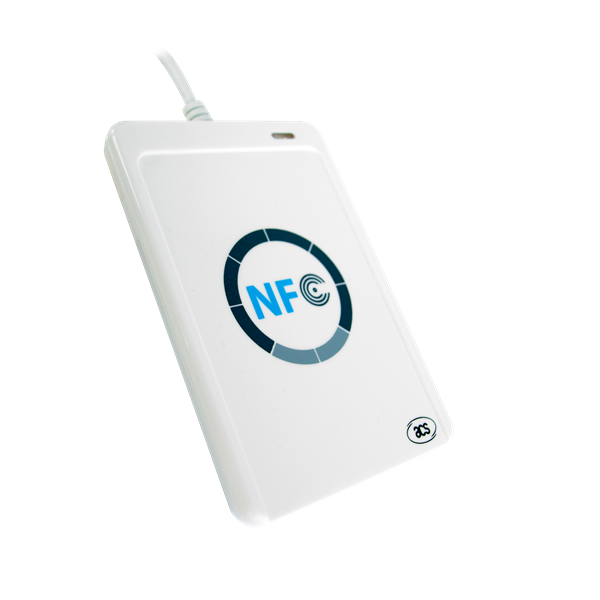
As a top-five NFC reader manufacturer in China, we combine 15+ years of expertise with cutting-edge production facilities. Our devices, like the ACR1281, offer:
Dual Interface: Works with contact/contactless cards.
Solidna konstrukcja: Built for high-traffic environments (0–50°C operating range).
Security Compliance: Encrypted data transmission for safe transactions.
NFC readers streamline tasks across industries, offering unmatched convenience and security. Whether you’re upgrading payment systems or enhancing access control, choosing a reliable reader ensures long-term efficiency.
Ready to integrate NFC technology? Work with an experienced and trustworthy manufacturer – let’s explore together the new era smart solutions that perfectly match your needs! 🔒🚪💳

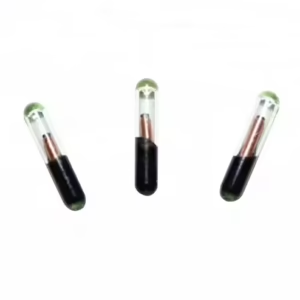
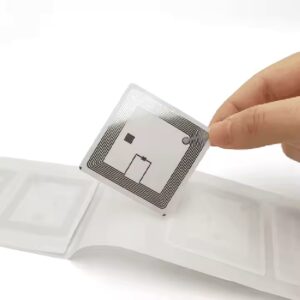
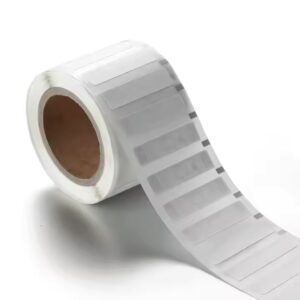
Najnowsze trendy i powszechna wiedza w zakresie metek pralniczych RFID.
Discover NFC inlays: the compact, secure tech revolutionizing payments, access, and smart homes. Learn why they’re essential for the future.
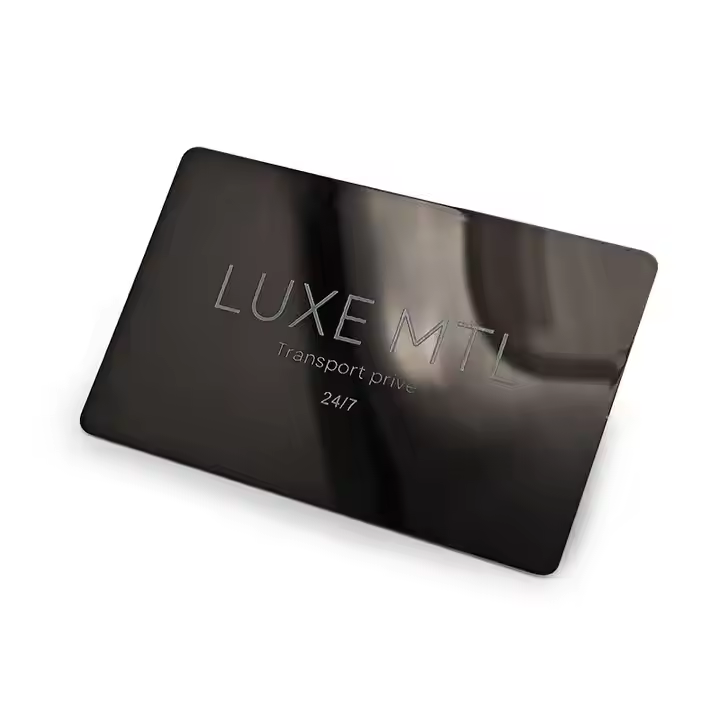
RFID Card protocol defines rules and standards for communication between RFID cards and readers, covering common ISO10536, ISO14443, ISO15693 and ISO18000.
Jinsha Ruins Museum utilizes UHF RFID tags for smart ticketing, visitor tracking, and personalized experiences, enhancing cultural communication and service.
Nie znalazłeś tego, czego szukasz? Zwróć się o pomoc do naszego managera!