Unpacking RFID Tags: Which One Is Right for You?
A quick guide to choosing the right RFID tags by frequency, type, capacity, and application—find the best fit for your business needs.
With the diversification of online and offline payment methods, we often hear the saying “contactless payment is safer.” Is NFC Tag, ordinary RFID Tag or Smart Card better? Let’s talk about their differences and security in an easy-to-understand way.
| Naam | Typical frequency | Leesafstand | Main purpose | Veiligheidsfuncties |
|---|---|---|---|---|
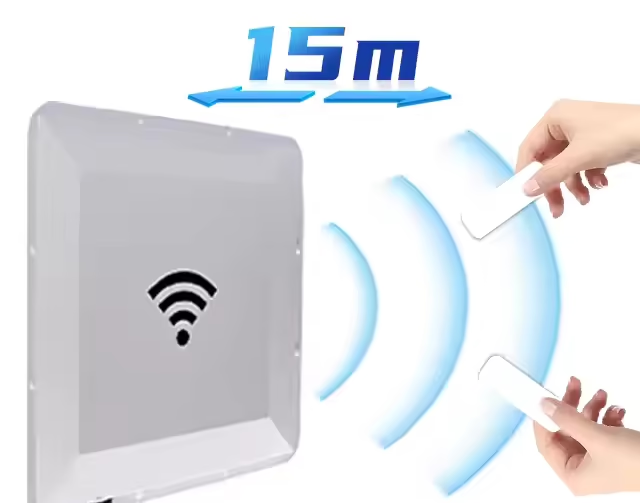
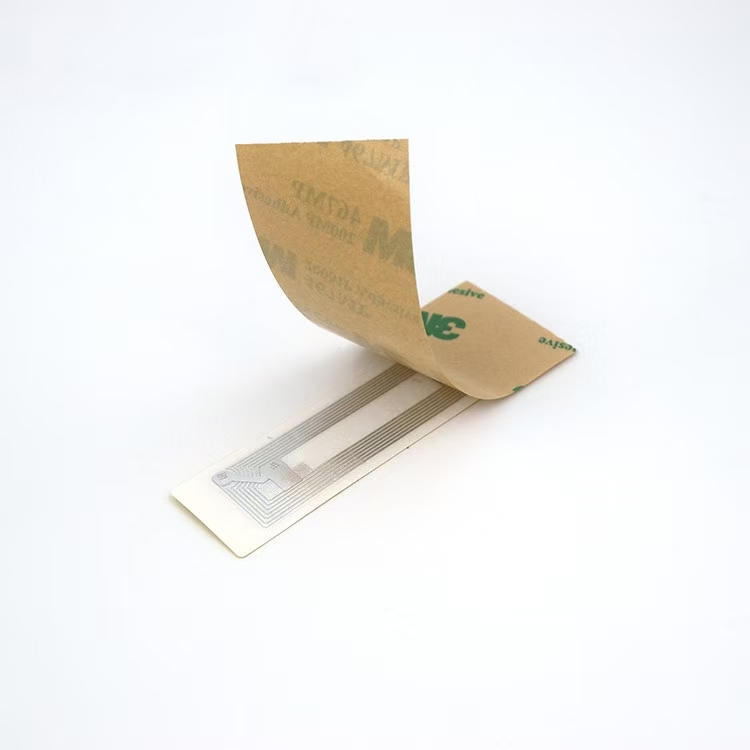
| RFID-tag | 125 kHz / 13.56 MHz | 6 inches (≈15 cm) or farther | Item tracking, warehousing, tickets | No encryption / simple mutual-exclusion mechanism |
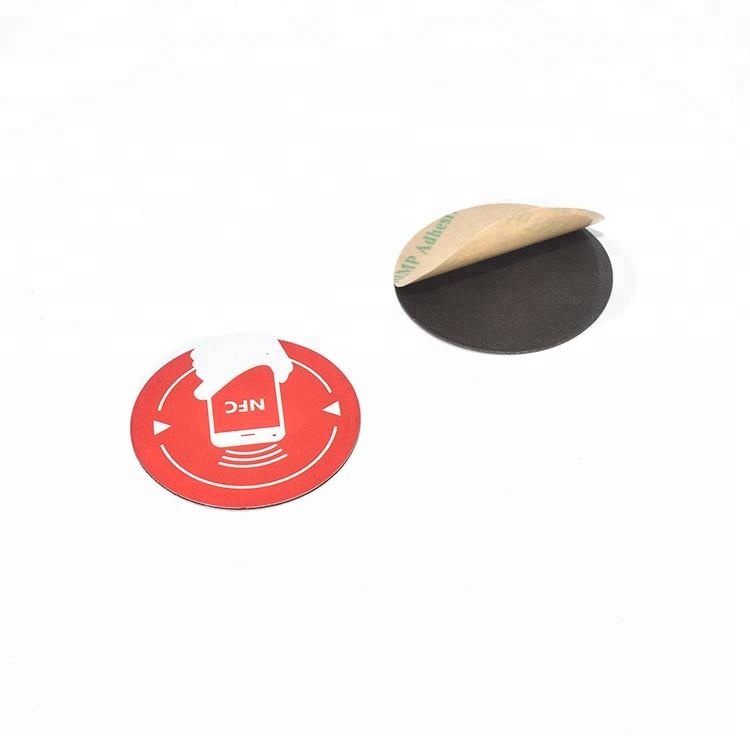
| NFC-tag | 13,56 MHz | ≤ 4 cm | Mobile payment, social sharing | Support symmetric encryption (AES), one-time anti-collision |
| Smart Card | 13,56 MHz | ≈ 2 cm | Bank payment, access control, ID card | Built-in microprocessor, dynamic encryption (3DES/RSA) |
Principle: The reader emits radio waves, which are received by the antenna on the tag and then fed to the chip; the chip returns a fixed ID.
Functies: Cheap, suitable for large-scale labeling; but generally does not have encryption, and data can be “intercepted” and replayed.
Principle: It is actually a subset of high-frequency RFID (13.56 MHz), with a shorter communication distance (≈ 2–4 cm) and more emphasis on two-way data exchange.
Functies: Common chips such as NTAG213/215/216 support simple encryption (password-protected sectors) and can also be read and written through mobile-phone apps; mostly used for mobile payments and smart advertising.
Principle: In addition to the contactless RF part, a small microprocessor (32-bit RISC) is built in, and multi-level security authentication is implemented.
Functies: A unique dynamic key is generated for each transaction, supporting DES, 3DES or RSA public-key encryption; the cost of cracking is extremely high. Common applications are bank chip cards (EMV), transportation or access-control cards.
Easy to be counterfeited: Because it only stores a fixed ID, it can be directly copied to a blank tag after being “intercepted.”
Suitable for: Warehouse management, logistics traceability, but not recommended for fund transactions.
Security upgrade: Short distance, sector password; some chips support one-time dynamic passwords.
Use scenario: Electronic tickets, coupon issuance; but if the sector password is too short, it may still be “brute-force cracked.”
The strongest encryption: The chip integrates a security processor, generates a random ciphertext for each transaction, and the dynamic key is never transmitted in plain text on the network.
Anti-attack ability: Backend Trojans such as BlackPOS can steal “card-swipe moment” data, but cannot decrypt the dynamic authentication algorithm inside the chip.
Standard: Since its birth in 1983, EMV smart cards have been widely deployed in the global commercial banking system and listed as a must-install technology by Visa, MasterCard, etc.
图片2.png "NFC Tag vs RFID Tag vs Smart Card: Which Is Safer? 3")
Online payment: Try to bind a Smart Card (bank card with chip) or use a mobile wallet (containing NFC), and automatically go through dynamic encryption.
Small-amount fast payment: NFC Tag bus cards and supermarket membership cards are sufficient; they have a shorter reading distance and are more secure than ordinary RFID.
Item management: If you just want to track school bags, water bottles, or library books, use super-cheap RFID tags—don’t use them as a payment tool.
RFID-tag: Cheap, long-lasting but not safe;
NFC-tag: Short-range bidirectional, lightweight encryption, suitable for non-critical transactions;
Smart Card: Dynamic encryption is the most reliable, suitable for banks and high-security scenarios.
Next time you swipe your card or “touch” your phone, think about it: which technology are you using? What is the security principle behind it?
Only by truly understanding it can you make payments quickly and safely in the digital age!

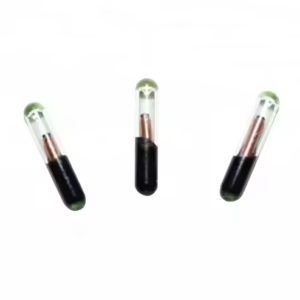
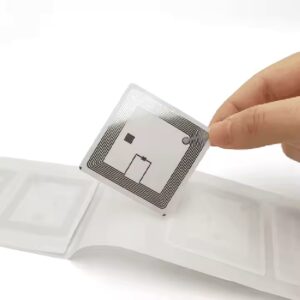
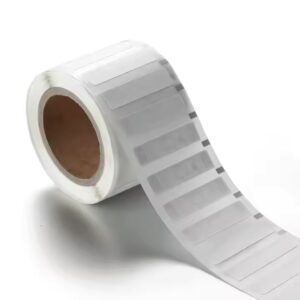
De nieuwste trends en algemene kennis op het gebied van RFID-waslabels.
A quick guide to choosing the right RFID tags by frequency, type, capacity, and application—find the best fit for your business needs.
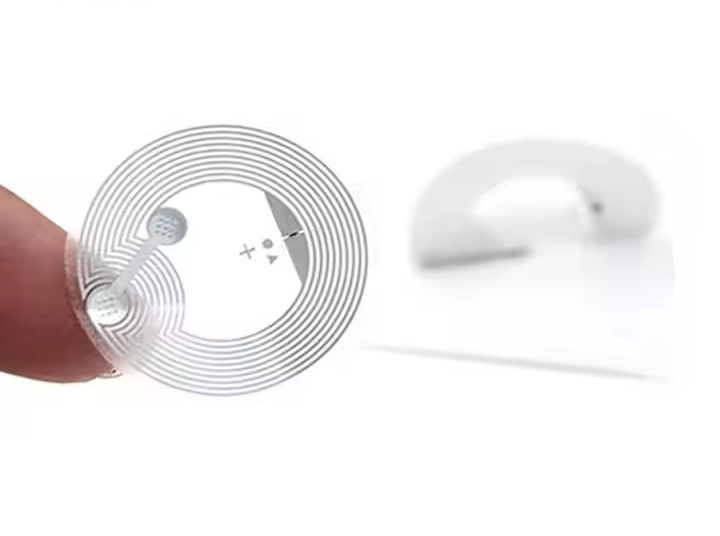
Top 5 NFC Inlay manufacturer in China—15+ years expertise, ISO-certified, custom solutions. Boost your brand with trusted tech!
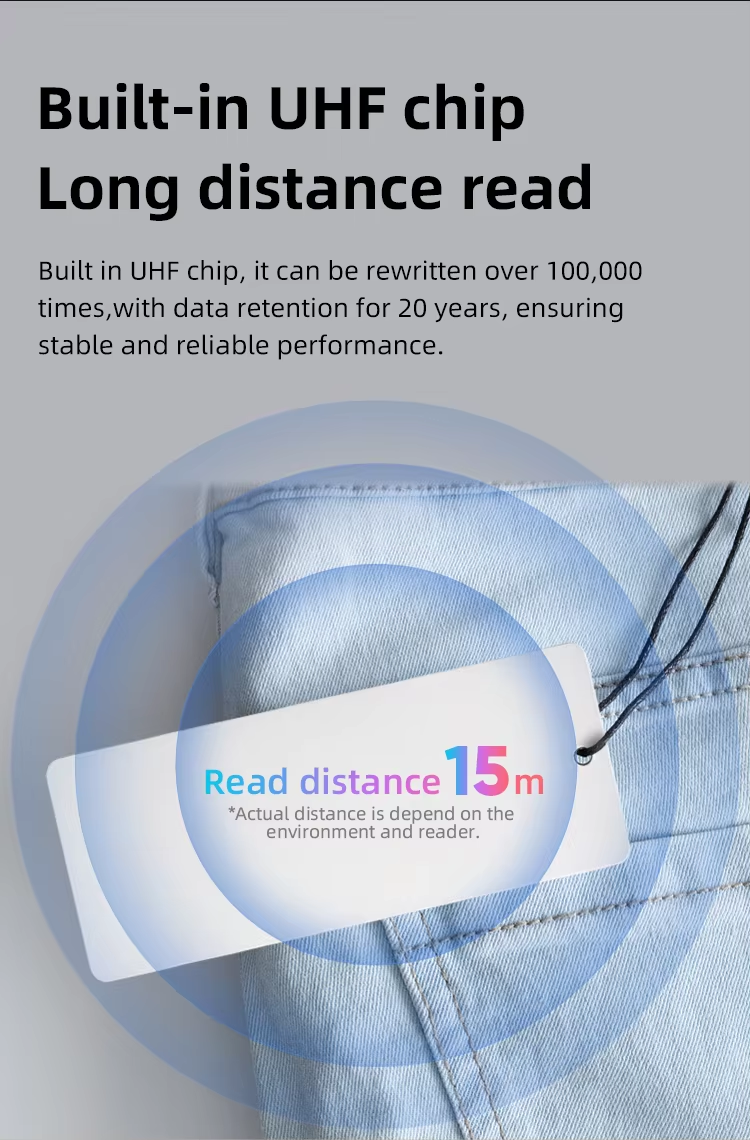
UHF Clothing Hang Tags: Track inventory in seconds, slash costs & boost sustainability. ISO-certified, customizable designs.
Niet gevonden wat u zocht? Vraag onze manager om hulp!