How to Make the Most of TK4100 RFID Tags?
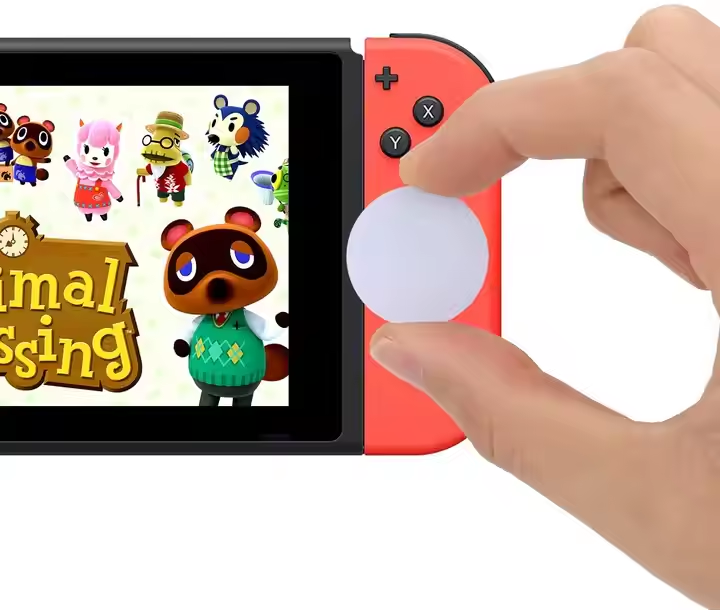
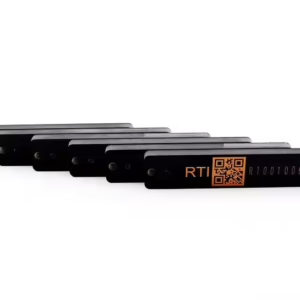
Discover the endless possibilities of TK4100 RFID Tags! From access control to gaming, these durable, low-cost tags are your key to innovation.
The emergence of multiple scenarios has led to an increasing demand for secure and versatile identification solutions from enterprises and organizations. Dual chip RFID cards combine contact and contactless interfaces in one card, perfectly integrating the advantages of both reading methods. But when should you choose this solution? Let’s take a look at some scenarios where dual chip RFID cards are better than single-chip cards.
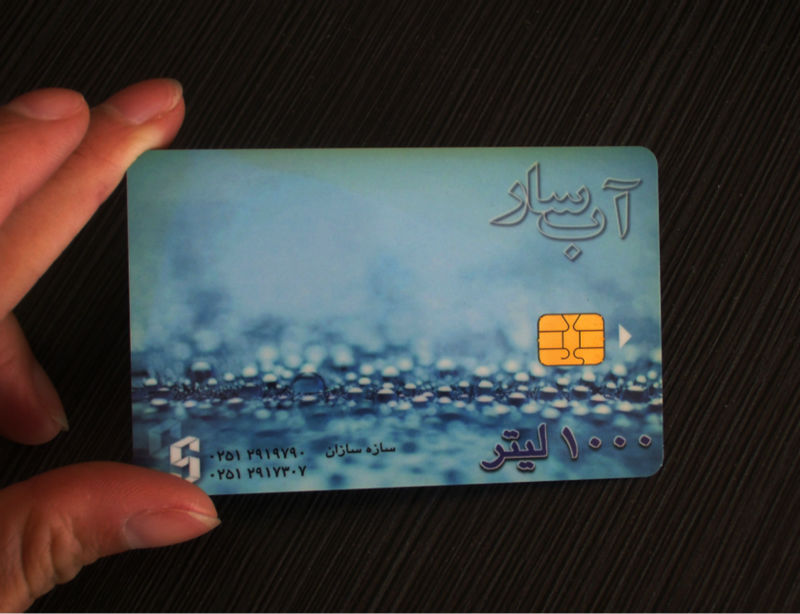
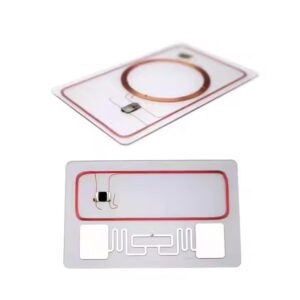
A Dual Chip RFID card integrates a single embedded chip that operates via two distinct interfaces:
This dual functionality allows the same card to be used in situations where compatibility with both old and new payment systems is required. For example, merchants can support card insertion payments at existing EMV terminals while supporting fast “tap to pay” on newly added contactless card readers. This flexibility allows businesses to easily process transactions in different environments, whether it is a small retail store or a large supermarket, ensuring a smooth user experience.

While contactless payment terminals are rapidly expanding globally, many regions still rely on traditional EMV readers. Dual Chip RFID cards eliminate the need for users to carry separate cards for different systems. For instance, a corporate access card with dual interfaces can grant entry to a secure facility (via contactless RFID) while also logging attendance through a legacy contact-based system.
Ideal For:
Dual interface technology is often paired with advanced encryption protocols, making these cards a staple in high-security sectors. The contactless feature minimizes physical wear on the card, while the contact interface provides a failsafe for environments where radio interference might disrupt wireless communication.
Ideal For:
A single Dual Chip RFID card can host multiple independent applications. For example, a university ID might store meal plan credits (contactless), library access (contact-based), and even public transit passes (via NFC). This reduces card clutter and simplifies user experience.
Ideal For:
Adopting dual interface technology ensures compatibility with evolving infrastructure. As industries phase out magnetic stripes and fully embrace EMV and NFC, dual-chip cards remain relevant. Their ability to support upgrades—like adding new encryption standards or applets—extends their lifespan.
Ideal For:
The manufacturing process for dual interface cards is intricate:
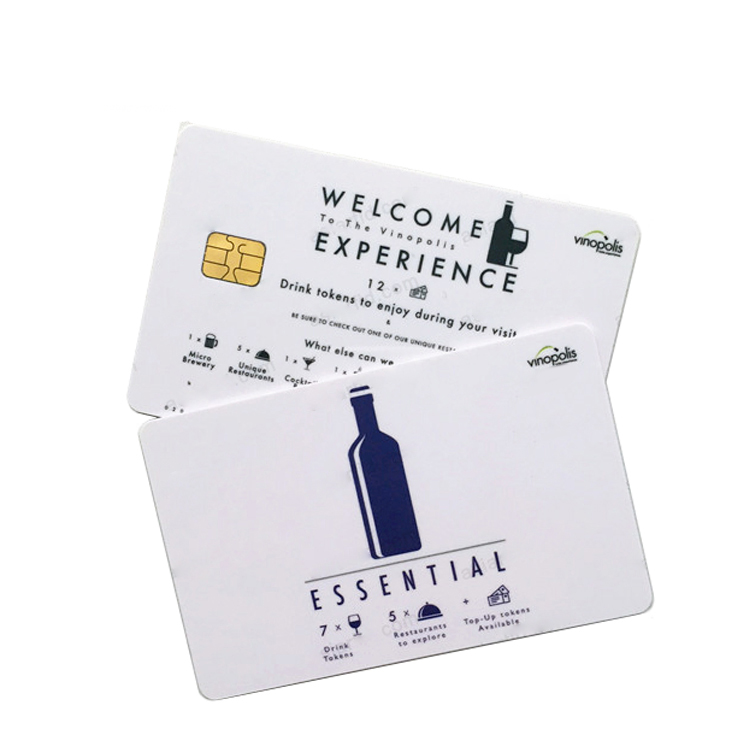
While single-chip cards are cost-effective for basic applications, they lack flexibility:
Dual Chip RFID cards resolve these trade-offs. Though initially more expensive (roughly double the cost of a single-chip card), their durability and adaptability reduce long-term expenses.
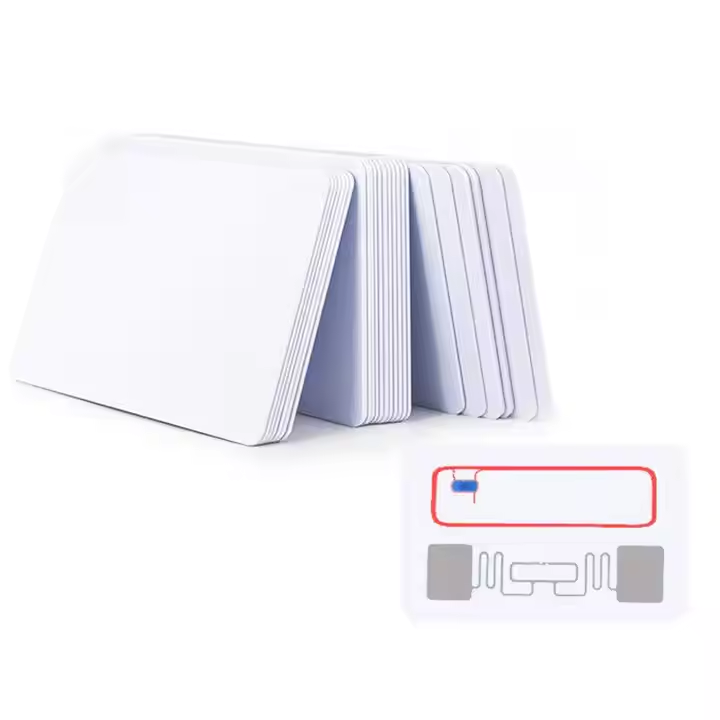
As a leading manufacturer, we can customize your own Dual Chip RFID cards to support different frequencies (such as 125 kHz, 13.56 MHz and UHF) and functions (such as payment and authentication) according to your specific needs. Such cards are suitable for a variety of application scenarios, such as hotel key cards and healthcare ID.
Our Top 5 Dual Chip RFID cards factory in China has rich experience and can ensure ISO standards, security coding quality and seamless integration with existing systems, whether it is a small batch or a large-scale order.
Why Choose Dual Interface Technology?


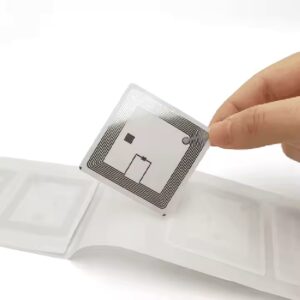
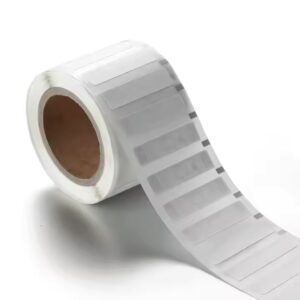
Nyeste trends og almindelig viden inden for RFID-vaskemærker.
Discover the endless possibilities of TK4100 RFID Tags! From access control to gaming, these durable, low-cost tags are your key to innovation.
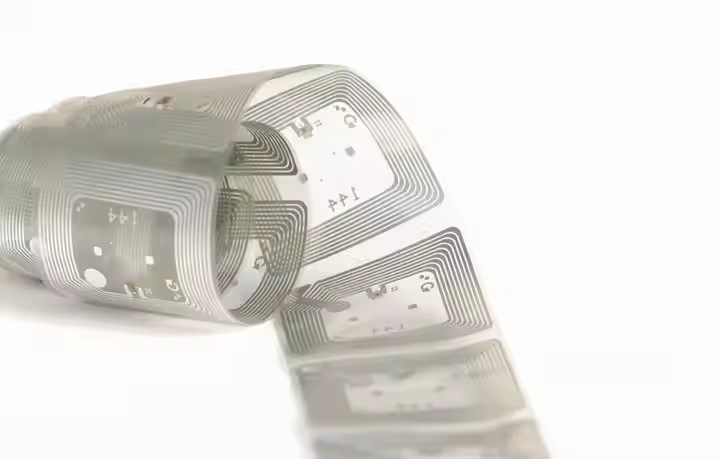
Boost textile efficiency with RFID Inlays—track fabrics from cotton to shelf, cut costs, prevent errors, and unlock smart warehouse management.

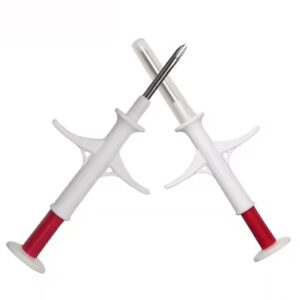
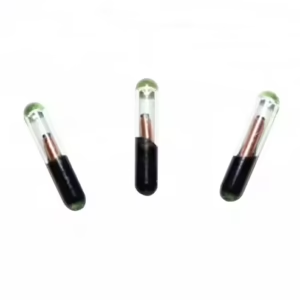
Pet RFID Implant Micro Tags provide unique ID for pets, helping to reunite lost animals with owners and prevent abandonment and theft, ensuring safety and accountability.
Fandt du ikke det, du leder efter? Spørg vores leder om hjælp!