How NFC Labels Transform the Smart Home Landscape
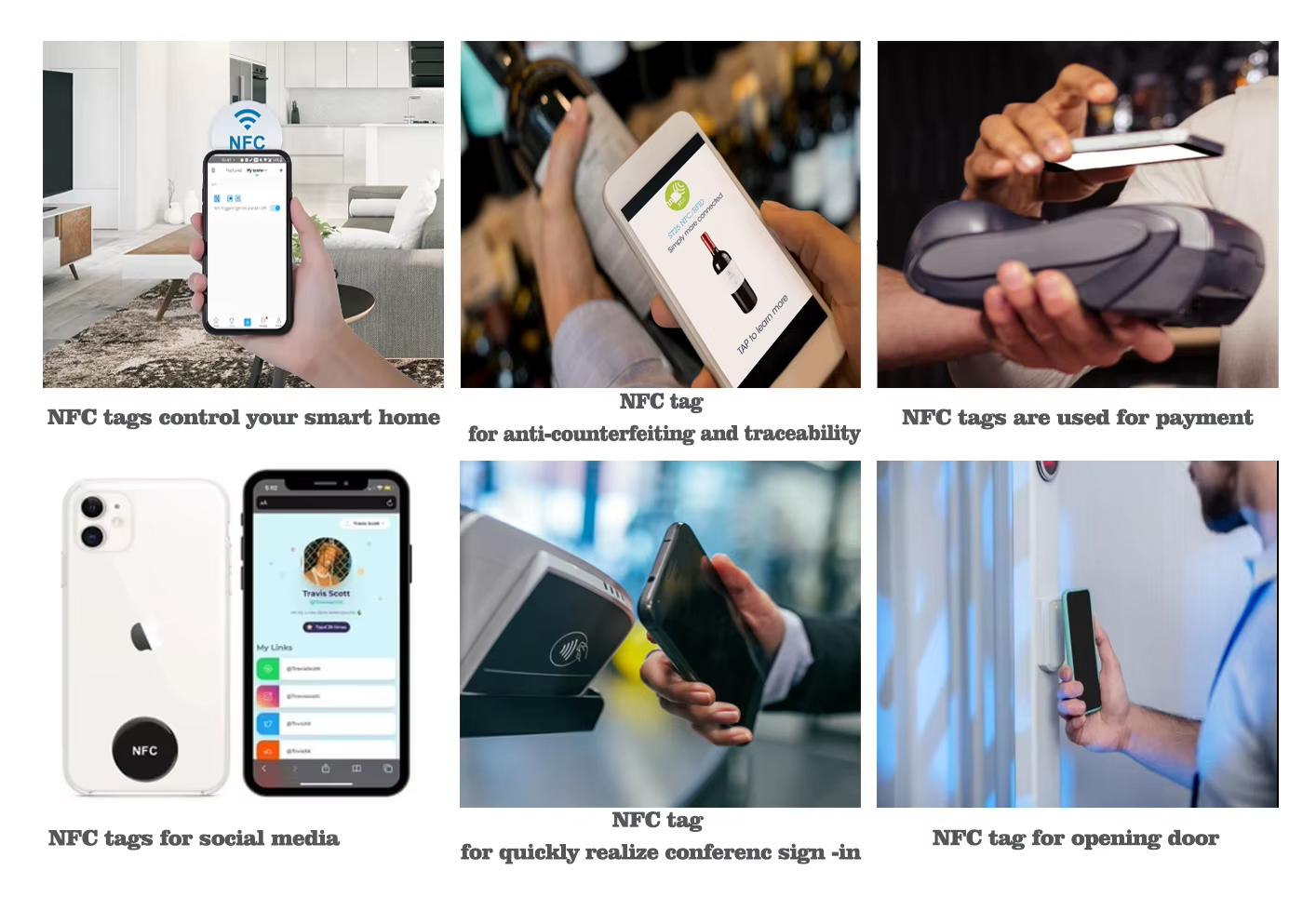
NFC Labels enhance smart homes by enabling effortless control of devices with a simple phone tap, ensuring quick, secure, and wireless operation.
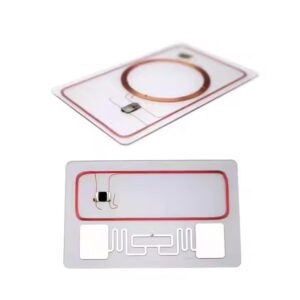
| Type of RFID | Frequency | Read Range | Use Case |
|---|---|---|---|
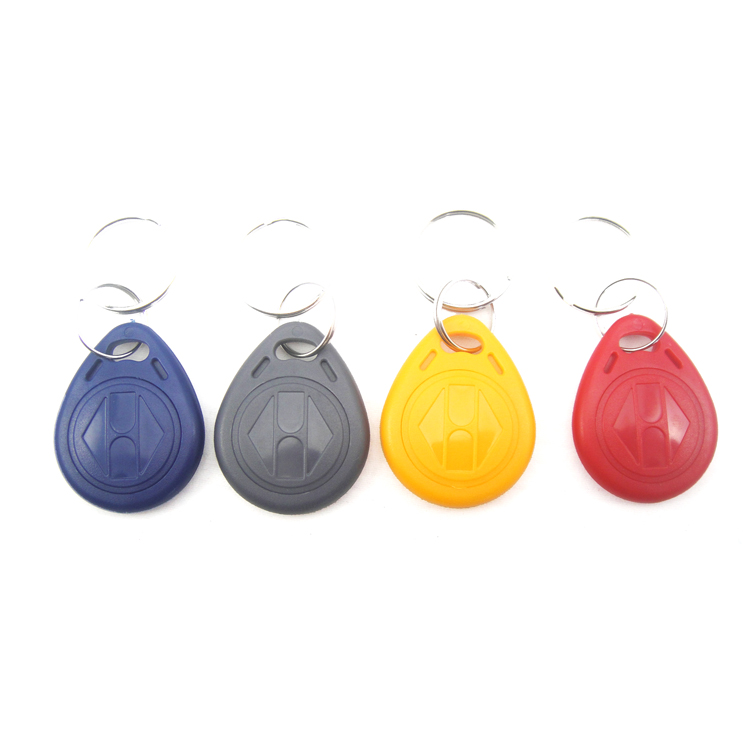
| Low-Frequency (LF) | 125 – 134 kHz | Up to 10 cm | Ideal for door access in small offices, ensuring high security by limiting access to those in close proximity. |
| Example: Access to a small business’s accounting department where sensitive information is handled. | |||
| High-Frequency (HF) | 13.56 MHz | Up to 1 meter | Suitable for larger facilities with higher security needs, allowing convenient access while maintaining security. |
| Example: Granting access to different floors or departments in a large corporate building. | |||
| Ultra-High-Frequency (UHF) | 860 – 960 MHz | Up to 12 meters | Perfect for vehicle access control in parking garages, enabling access without needing to get close to the reader. |
| Example: Seamless entry for drivers in busy parking garages, allowing gates to open automatically from a distance. |

Newest trends and common knowledge in RFID laundry tags.
NFC Labels enhance smart homes by enabling effortless control of devices with a simple phone tap, ensuring quick, secure, and wireless operation.
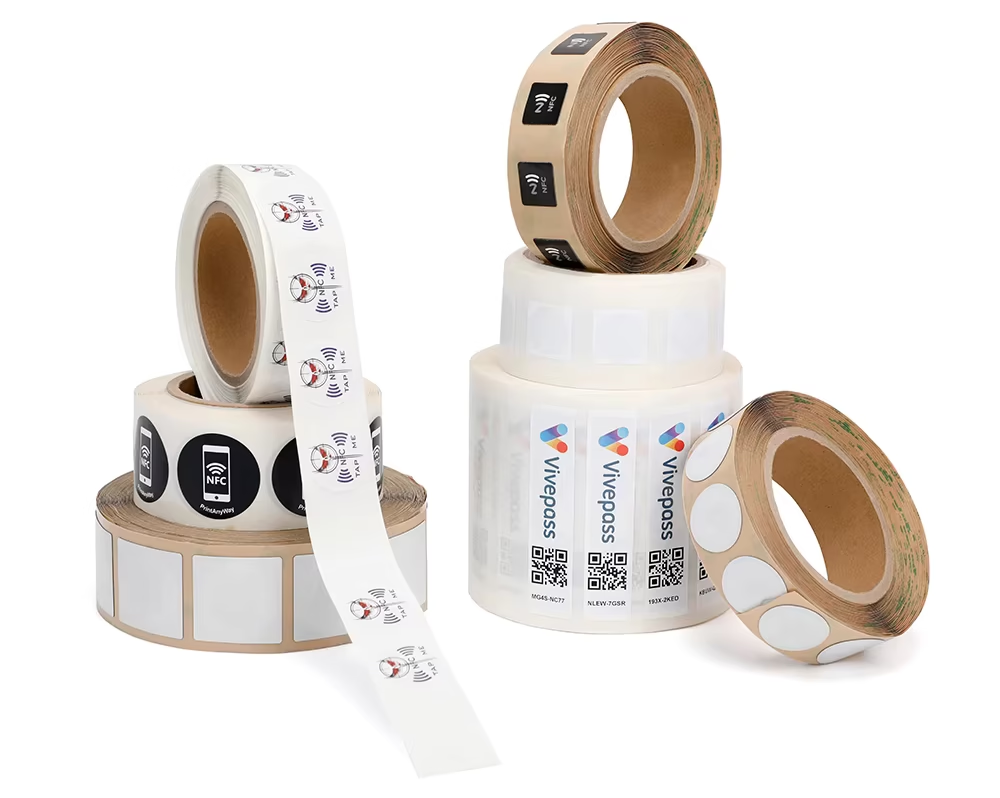
Discover 2025 RFID labels applications and trends—from logistics and asset tracking to anti-counterfeiting and IoT integration—boosting efficiency & security.
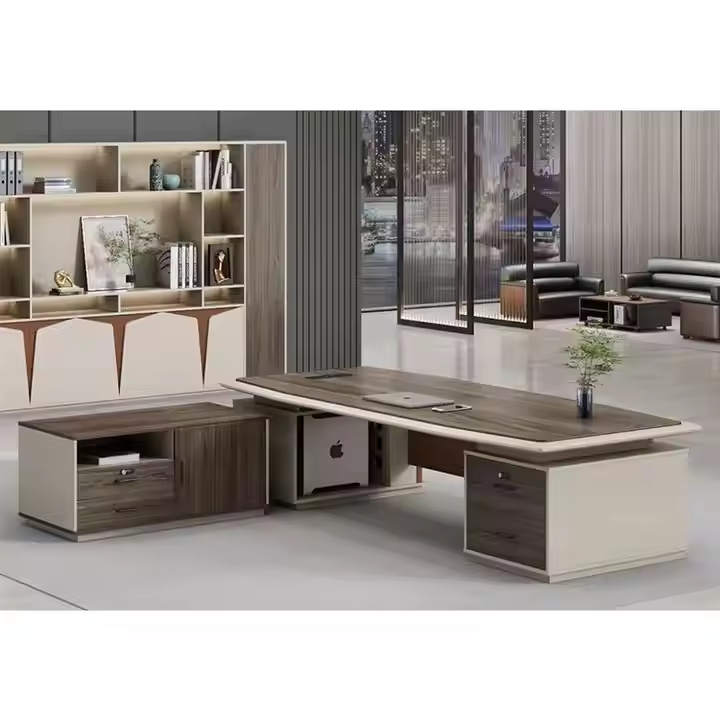
Protect furniture brands with UHF RFID Stickers—anti-counterfeiting, traceability, and channel control in one smart, secure solution.
Didn’t find what you want? Ask our manager for help!